Committee profile
Key room details for delegates.
- Room Size
- Single Delegation
SSUNS 2026 • Montréal

Joint Crisis Committees
Osheaga vs Lollapalooza.
Committee profile
Key room details for delegates.
Resources
Committee resources will be added here as they are released.
Background Guide
Background guides will be released closer to the conference.
Contact
If you have questions, please contact Will Greer at crisis@ssuns.org.
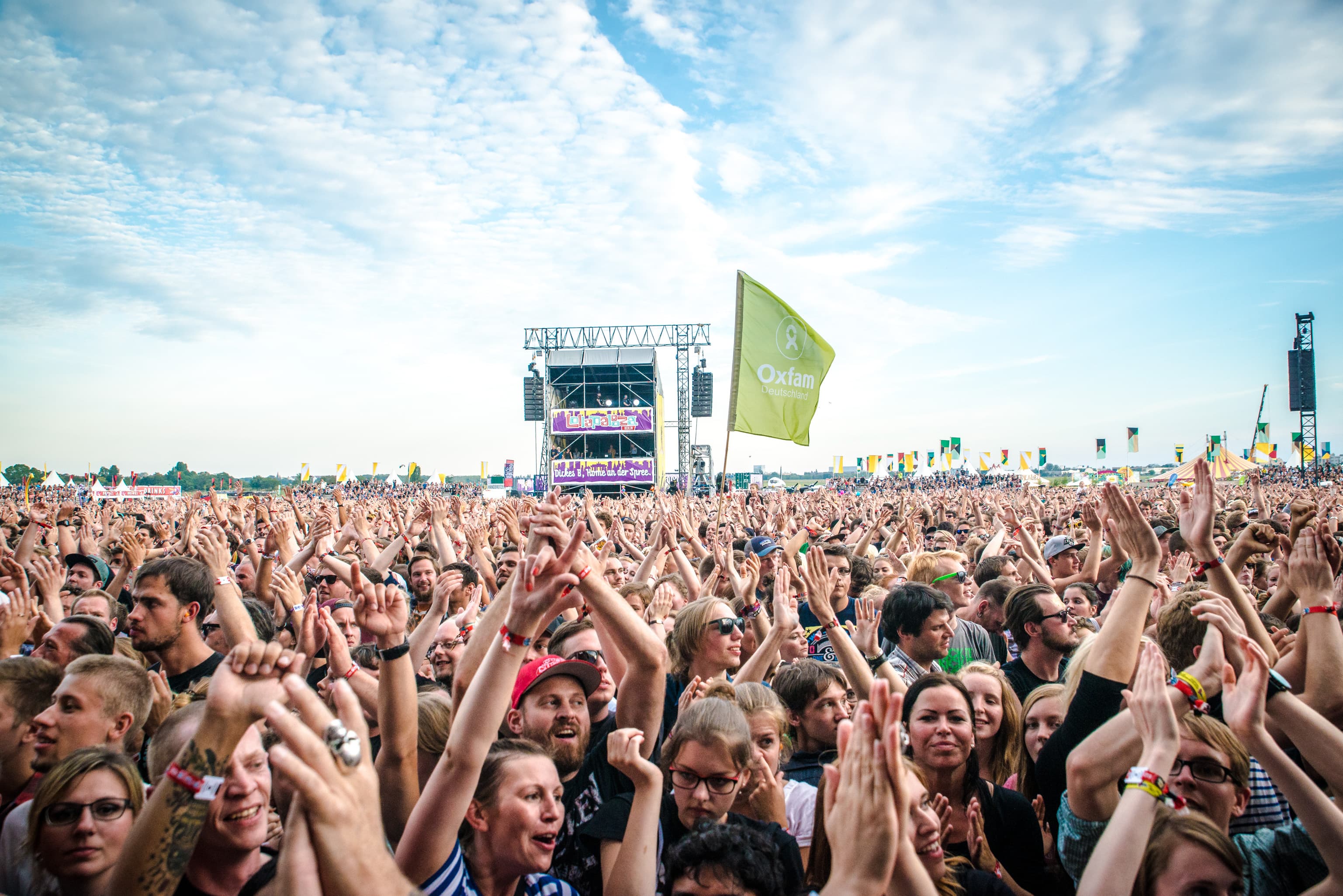
The recent festival frenzy in North America has led to an immense growth in music festival attendance, popularity, and significance within pop culture. Fueled by headliners who are among the most in-demand artists consistently topping the Billboard charts, as well as the influence of social media platforms that amplify performances and festival experiences, Lollapalooza and Osheaga draw hundreds of thousands of concertgoers every year. Their lineups, unique atmospheres, and strong online presence have transformed them into more than just music events, they have become major cultural experiences that attract fans from across North America and beyond. However, since both festivals were cemented as official annual music festivals in 2005 and 2006, their festival dates have frequently overlapped, creating a competitive rivalry as each strives to attract attendees and secure the industry's most sought-after performers. In the Lollapalooza and Osheaga committees, each will begin their separate festival preparations, marketing campaigns, and navigation of concert logistics, while being forced to determine how they can maximize ticket sales despite funding limitations and operational challenges. They must negotiate with artists, coordinate sponsorships, organize security and transportation, and balance the expectations of fans, local governments, and surrounding communities. At the same time, each festival must respond to the unique circumstances of its host city. Chicago's downtown location presents challenges related to crowd management, public infrastructure, and the use of public parks, while Montréal's festival scene requires Osheaga to compete for tourism, local support, and media attention within a city known for hosting numerous cultural events. As the committees progress through the planning process, the decisions they make will directly influence the success of their respective festivals while also shaping the cities of Montréal and Chicago. Beyond music and entertainment, both festivals generate significant economic activity by increasing tourism, supporting local businesses, creating temporary employment opportunities, and showcasing each city's cultural identity. Their success or failure can affect public perception, future investment, and the long-term reputation of each destination as a premier location for live music and large-scale events.