Committee profile
Key room details for delegates.
- Room Size
- Single Delegation
SSUNS 2026 • Montréal

Crisis Committees
Collapse of the Pax Mongolica and the struggle to control Eurasian trade.
Committee profile
Key room details for delegates.
Resources
Committee resources will be added here as they are released.
Background Guide
Background guides will be released closer to the conference.
Contact
If you have questions, please contact Will Greer at crisis@ssuns.org.
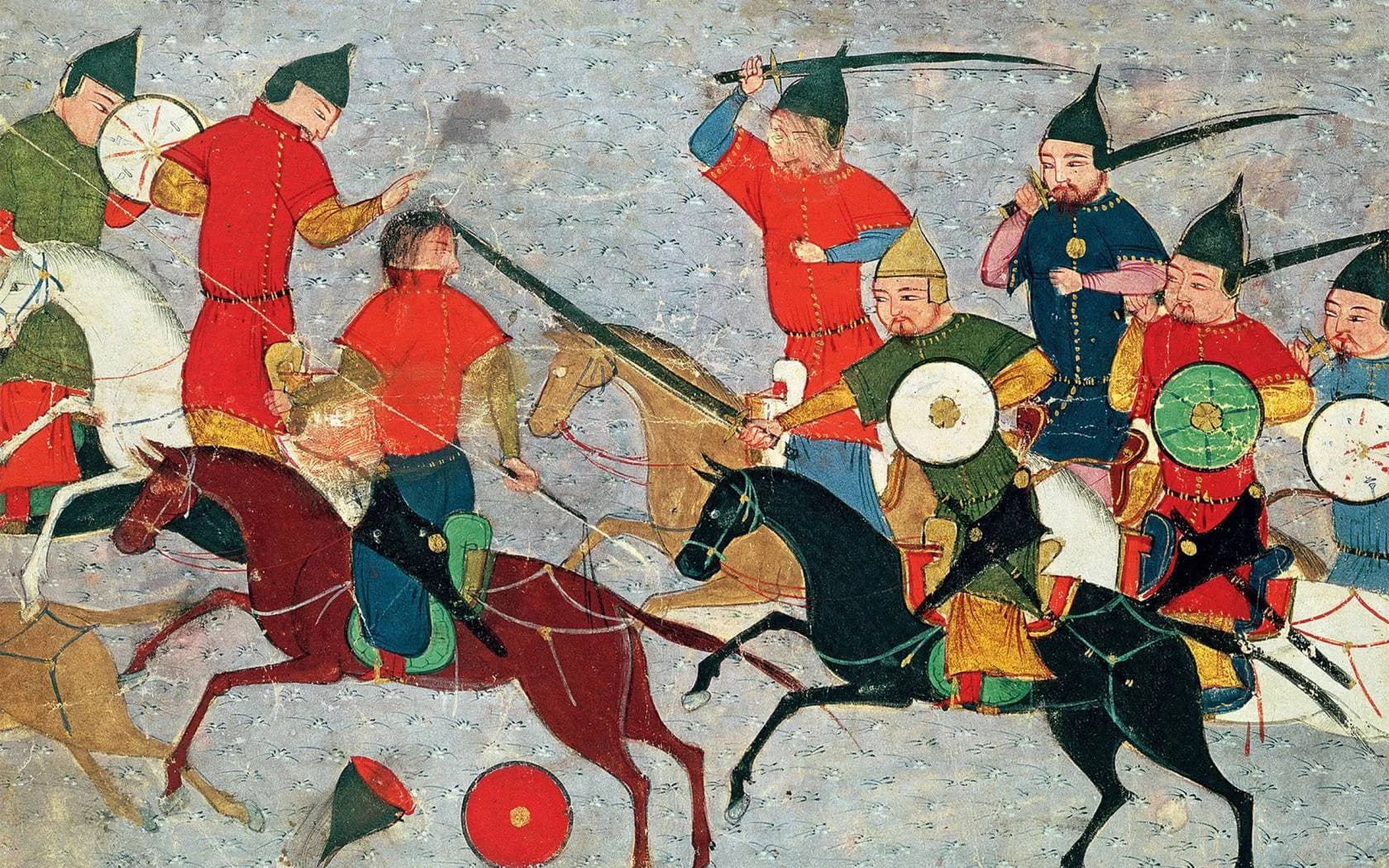
For most of the 13th century, the Mongol Empire, founded by Genghis Khan, controlled much of Eurasia during the period known as the Pax Mongolica. During this era, Mongol borders rapidly expanded, trade flourished along the Silk Road, and societies across both continents had to adjust to a new dominant hegemon. This dynamic forced neighboring states to shift resources to resist Mongol conquests. Other states accepted Mongol rule but maintained semi-autonomy as vassal states while other neighbors joined the empire as diplomatic and trade partners. The internal standardization of resources and cultural exchange expanded across regions, fostering a centralized Mongolian state. Local traditions merged with Mongol political structures, creating new systems of taxation, communication, and governance. This combination of centralized authority and cross-cultural exchange allowed the Mongol Empire to maintain influence over a massive territory for much of the 13th century. However, by the late 13th century (1270–1290), the empire began fragmenting into rival states. Internal stability faltered as competing khanates sought to establish their own political legitimacy. As a result, a pivotal question emerged: how would the main Mongol successor states shape the future of Eurasia? Delegates will step into the roles of leaders, merchants, and power brokers from the four successor states: the Yuan Dynasty in China, the Ilkhanate in Persia and Anatolia, the Chagatai Khanate in Central Asia, the Golden Horde from the Western Steppe to Crimea, as well as other neighboring Eurasian groups. As part of committee assignments, delegates will be faced with managing the goals and interests of all of these groups unilaterally while also progressing the individual power and vision for the khannate or group you represent. Delegates will navigate intense geopolitical tensions, manage economic networks, and resolve diplomatic crises. In this collective Pax Mongolica environment, delegates will have to negotiate and be creative in order to chart the path of the Mongol Empire while also advancing their distinct strategic ambitions in a moment that would change the outcome of Eurasia forever.