
Conference
ICAO
Reference chapter for SSUNS' ICAO committee and its conference context.
.jpg&w=3840&q=75)
The International Civil Aviation Organization (ICAO) sits in Montréal, and that matters. It’s one of the few places where global coordination is not theoretical — it’s operational. The work ICAO does shapes how people and goods move across borders every day, and it forces a kind of diplomacy that is practical: safety, standards, oversight, compliance, cooperation. If you want to understand how international systems actually function, aviation is one of the clearest windows.
SSUNS’ ICAO programming is designed to feel like that world: structured, technical when it needs to be, and deeply political underneath. Delegates are pushed to balance national interest with collective responsibility, to negotiate with precision, and to write outcomes that can survive scrutiny. It’s a Montréal advantage — and a uniquely SSUNS way of turning the city into part of the learning.
About this committee
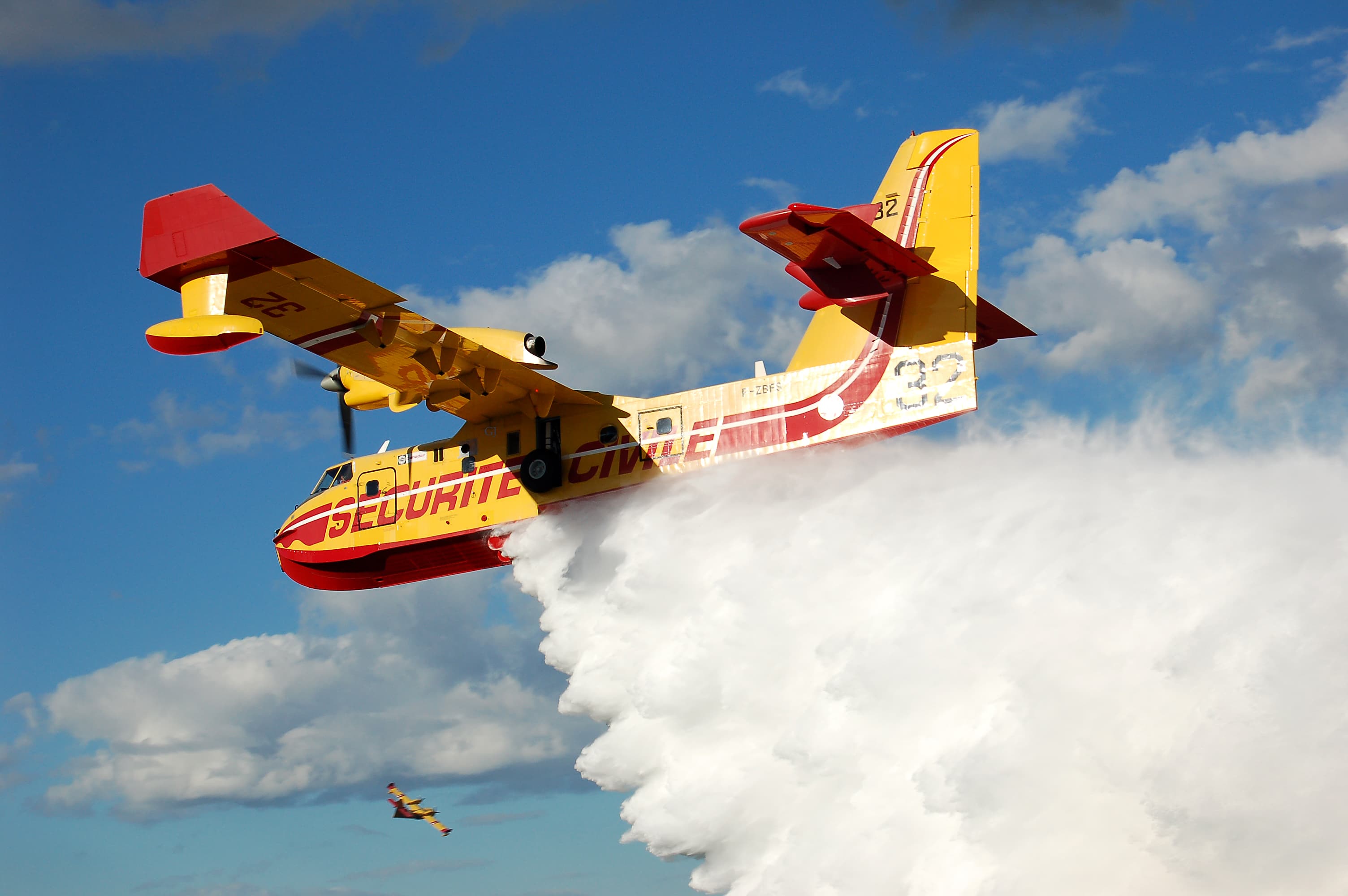
With natural disasters increasing in both frequency and intensity, immense pressure is being placed on global emergency response systems. Simultaneously, aviation has become a critical tool in delivering humanitarian aid, conducting search-and-rescue missions, and restoring stability in affected regions when ground infrastructure is not accessible. This International Civil Aviation Organization committee will dive into how aviation technology can strengthen disaster response through initiatives like quicker airspace coordination, the establishment of emergency air corridors, and the deployment of unmanned aerial systems for damage assessment. Delegates will work to develop resolutions international authorities can adapt to coordinate air space response more effectively, alleviating the damage in social, economic, and cultural facets in the lives of those most affected.
View ICAO committee dossier.jpg&w=3840&q=75)
.jpg&w=3840&q=75)
.jpg&w=3840&q=75)